.svg)


Discover
.svg)


our locations
From Auckland to Adelaide, Christchurch to Kuala Lumpur, we support local operations in the regions that matter most. Explore the full list of cities where Fixinc advisors and technology solutions are actively delivering resilience outcomes.
Our Reach
Fixinc operates across key cities in New Zealand, Australia, and Southeast Asia (ASEAN). Instead of stretching thin, we double down on knowing each region deeply, tracking local threats, understanding regulations, and staying informed on what matters most to the organisations we work with.
We adapt our delivery based on the unique pressures of each region. Whether that’s local legislation, geopolitical risk, or community resilience. That’s how we remain relevant, responsive, and effective no matter where we operate.

New Zealand – Strong relationships with Crown entities and public sector partners allow us to navigate the evolving resilience priorities of Aotearoa.
Australia – Our work aligns with local regulatory frameworks and emerging requirements like CPS 230, ensuring full compliance without compromise.
ASEAN – Deep focus on geopolitical risk, infrastructure vulnerability, and supply chain resilience gives us a clear edge in this rapidly shifting region.


Known for its wine and defense sectors, Adelaide needs continuity plans to protect its unique industrial base.

Known for rice production, Alor Setar benefits from continuity strategies to manage agricultural risks and supply chain dependencies.
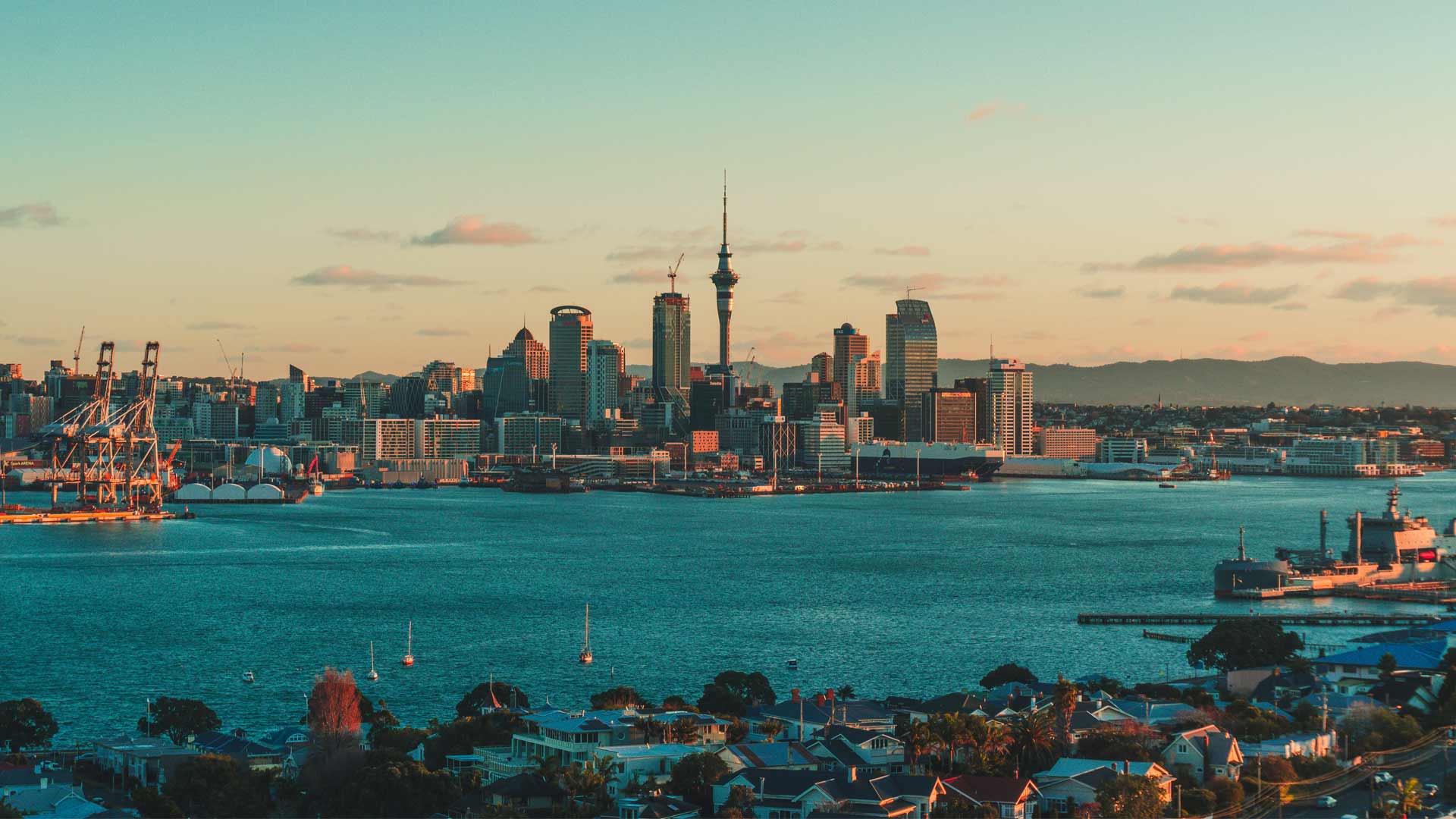
As New Zealand’s commercial hub, Auckland faces risks like infrastructure strain and severe weather events, making robust business continuity essential for resilience and economic stability.

A growing city with a focus on logistics, Brisbane benefits from resilience plans to combat flooding and supply chain risks.

Australia’s political hub, Canberra’s resilience focuses on mitigating risks to government continuity and national security.

Known for its agricultural base and history of earthquakes, Christchurch benefits from business continuity plans that address seismic risks and supply chain stability.

With its tropical climate and strategic location, Darwin benefits from plans to address cyclones and supply chain vulnerabilities.

As a center for education and biotechnology, Dunedin’s continuity depends on safeguarding critical intellectual and operational assets.

A cultural and logistics hub, George Town benefits from plans addressing flood risks and heritage site preservation.

A tourism-driven city, the Gold Coast’s continuity relies on safeguarding against natural disasters and ensuring visitor safety.

A hub for agribusiness and research, Hamilton requires continuity strategies to mitigate threats like biosecurity risks and logistical disruptions.

As an isolated city, Hobart requires continuity strategies to manage logistical challenges and extreme weather events.

Known for agriculture and heritage, Ipoh requires resilience against climate risks and economic shifts.

Located near Singapore, Johor Bahru’s continuity focuses on cross-border trade risks and urban growth challenges.

With its tourism and biodiversity, Kota Kinabalu requires continuity strategies to manage natural disasters and eco-tourism risks.

As Malaysia’s economic hub, Kuala Lumpur requires continuity strategies to mitigate cyber risks and infrastructure challenges in a fast-paced urban environment.

With its port and industrial base, Kuantan needs plans to safeguard trade operations and address climate-related challenges.

As a center for culture and trade, Kuching benefits from strategies to address river flooding and supply chain challenges.

A historical trade city, Malacca requires continuity plans to preserve cultural heritage and tourism resilience.

With its diverse industries and cultural significance, Melbourne needs strategies to handle threats like climate events and urban density challenges.

As a wine and agricultural center, Napier-Hastings requires strategies to address climate risks and supply chain dependencies.

Known for seafood and viticulture, Nelson faces risks from climate change, requiring plans to safeguard key industries.

As an industrial and port city, Newcastle benefits from strategies to address resource dependencies and supply chain risks.

New Zealand’s energy hub, New Plymouth’s continuity relies on managing risks tied to oil, gas, and extreme weather events.

A research and logistics hub, Palmerston North benefits from continuity planning to support education and transport resilience.

Perth’s reliance on mining and exports makes it vital to address risks tied to isolation and resource sector disruptions.

A commercial center, Petaling Jaya benefits from plans addressing cyber threats and urban density issues.

A global tourism hotspot, Queenstown’s economy depends on resilience against natural disasters like flooding and ensuring consistent visitor experiences.

As an industrial hub, Shah Alam needs continuity plans to safeguard manufacturing and logistics operations.

As Australia’s financial powerhouse, Sydney’s continuity hinges on managing risks like cyber threats and infrastructure strain.

With its bustling port and horticulture industry, Tauranga needs resilience against supply chain vulnerabilities and natural disasters like flooding.

The political and cultural heart of New Zealand, Wellington’s earthquake risk highlights the need for resilient plans to protect government and creative industries.

With its steel production and coastal location, Wollongong requires resilience against economic shifts and climate risks.
We make communication seamless and believe long-standing relationships are more important than obtaining new clients.